Enhance Your Property With Expert Fence Installation
Upgrading a property with expert fence installation is a sensible option for residential homeowners. Fences serve to improve both security and privacy but also contribute to the overall aesthetic appeal of a home. With various styles and materials available, picking the most suitable option can be daunting. Familiarizing oneself with the advantages and processes can make this project more manageable. What key considerations should homeowners weigh to ensure the investment pays off?
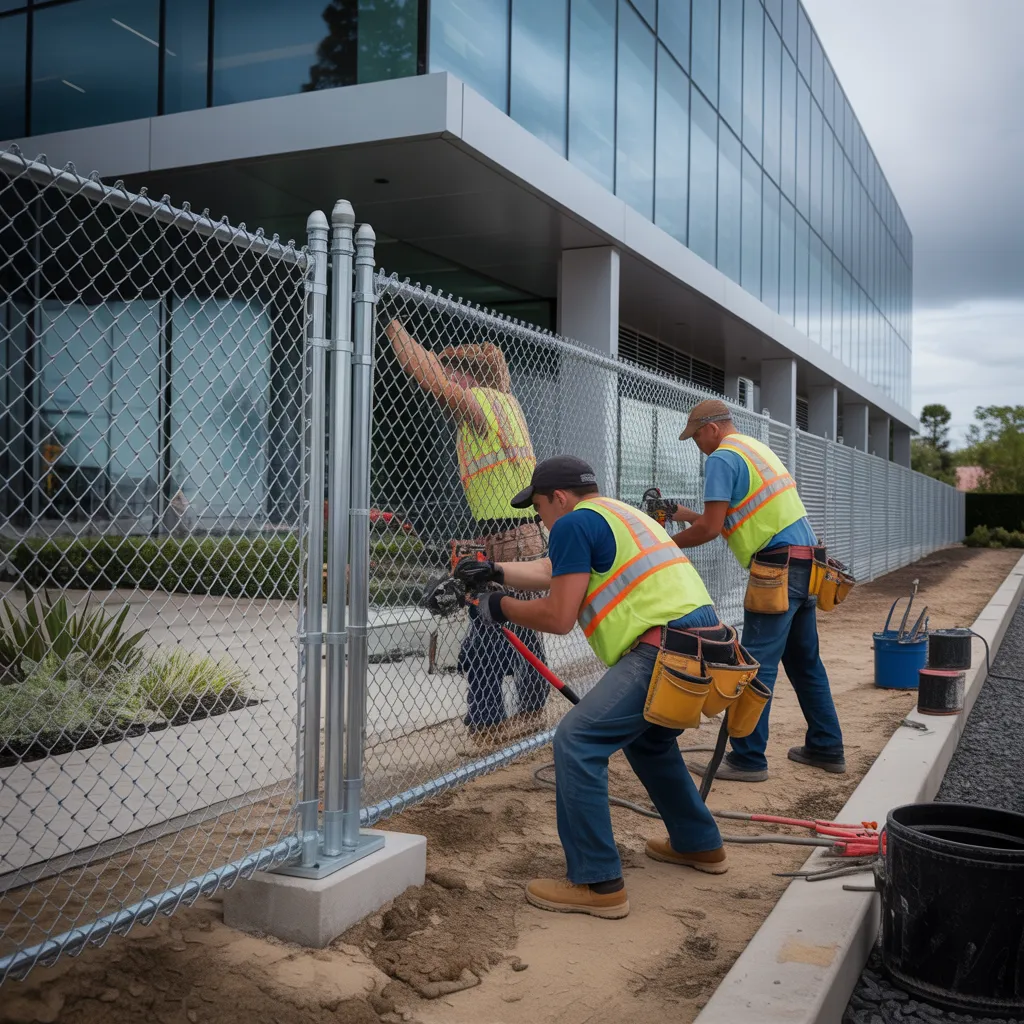
Why Invest in a Professional Fence for Security and Aesthetics?
When homeowners look to upgrade their property, choosing a professional fencing solution fulfills both protective and decorative needs. A well-installed fence acts as a formidable barrier, keeping unwanted visitors away and ensuring tranquility. It establishes a clear boundary, safeguarding children and pets while enhancing privacy.
In addition to security, the use of design and materials can significantly enhance a home's aesthetic appeal. A expertly installed fence suits the home's architectural style, creating a cohesive look that elevates visual appeal. High-quality materials and expert craftsmanship ensure lasting strength, minimizing future maintenance expenses.
In addition, a fence can enhance property value, making it a wise investment. Potential buyers often view well-defined outdoor spaces as attractive features, which can lead to faster sales and more competitive offers. Ultimately, a quality fence installation not only enhances safety but also elevates the overall look of a property, making it a sound investment for residents.
Trending Fence Styles to Elevate Your Home's Curb Appeal
When thinking about fencing installation, various styles can greatly improve the curb appeal of a property. Conventional wood fences deliver enduring charm, while elegant vinyl options provide durability and low maintenance. For a sleek appearance, modern metal designs deliver both style and strength, accommodating a wide range of aesthetic tastes.
Traditional Wood Fences
Classic wood fences remain a perennial favorite for homeowners who want to boost their home's visual appeal. Their natural appearance enhances a wide range of architectural designs, from traditional to modern. Coming in a variety of designs, like picket, board-on-board, and shadowbox, wood fences can be customized to match individual styles and landscape designs. The warm tones of wood add a countryside elegance visit resource that can temper the aesthetic of any property, fostering a warm and welcoming setting. Moreover, these structures can deliver privacy while still permitting airflow and natural light. Through regular upkeep such as staining and sealing, wood fences can endure for many years, cementing their status as a worthwhile investment. In the end, they function as both a practical barrier and an attractive feature that elevates the overall appearance of a home.
Refined Vinyl Choices
As homeowners increasingly seek upkeep-free alternatives that still deliver elegance, stylish vinyl fencing has become a preferred selection to elevate the look of any property. Such fences can be found in numerous designs, from traditional picket arrangements to modern privacy screens, giving homeowners the freedom to align with their preferred look effortlessly. Vinyl fencing holds up against fading, warping, and rust, ensuring durability and long-term beauty. With an array of colors and textures, they are capable of imitating wood's warmth or delivering a sleek, modern look. In addition, their seamless surfaces make maintenance straightforward, rendering them a sensible choice for homeowners on the go. By selecting refined vinyl fence solutions, homeowners can attain a polished appearance while taking advantage of low maintenance and exceptional durability.
Contemporary Metal Designs
Horizontal panels, geometric configurations, and blended materials have grown in popularity, creating visual interest and a modern look. Furthermore, metal fencing can serve practical purposes, such as providing security without sacrificing style. Some homeowners opt for ornamental features, like laser-cut patterns, to incorporate a personalized detail. In summary, contemporary metal fencing not only enhances visual appeal but also adds to a property's worth and durability.
Finding the Perfect Fence Material for Your Property
Selecting the appropriate fence material is crucial for both performance and appearance. Each option, such as wood, vinyl, and metal, offers distinct advantages that cater to a range of needs and personal preferences. Understanding these benefits can help homeowners make informed decisions for their fencing projects.
Advantages of Wood Fencing
Wood fencing offers a traditional appeal that adds character of any home while offering a range of functional advantages. One of its primary advantages is versatility; timber can be tailored in various styles, heights, and finishes to suit different architectural designs. In addition, wood is a natural insulator, offering improved sound dampening and greater seclusion. It is also biodegradable, making it an environmentally friendly choice relative to man-made materials. With routine upkeep, wood fences offer lasting performance, providing durability alongside their visual appeal. Additionally, timber is simple to fix or swap out, providing a cost-effective solution for property owners. In conclusion, wood fencing improves curb appeal and meets everyday functional needs, making it a top selection for countless property owners.
Vinyl Fence Durability
Vinyl fencing is recognized as a long-lasting substitute for traditional wood options. Celebrated for its ability to resist decay, rot, and insect damage, vinyl provides long-lasting protection without the need for regular maintenance. As opposed to wood, which is prone to warping and splintering, vinyl retains its structural durability and attractive appearance even under harsh climate conditions. The material additionally offers UV resistance, protecting against sun-induced fading and discoloration. Additionally, vinyl fences come in a variety of styles and colors, enabling homeowners to select designs that enhance their property. While initial costs may be higher than wood, the durability and low maintenance of vinyl fencing establish it as a budget-friendly option over time. Ultimately, vinyl fencing serves as a dependable and durable option for enhancing residential properties.
Metal Selections Explained
When exploring fence choices, metal materials such as aluminum and steel offer robust solutions tailored to various needs. Aluminum is lightweight, resistant to corrosion, and requires minimal maintenance, making it ideal for residential applications. It provides an aesthetically pleasing option that complements various architectural styles. On the other hand, steel is renowned for its robustness and lasting quality, making it suitable for security-focused installations. It resists tough weather and physical stress, guaranteeing durable protection. That said, steel can require routine maintenance to ward off rust. Ultimately, selecting between aluminum and steel relies on considerations such as budget, visual preferences, and specific performance demands. Recognizing these differences can significantly boost property value while aligning with individual preferences.
5 Key Advantages of Professional Fence Installation
Although many homeowners might think about tackling fence installation themselves, selecting professional installation delivers notable advantages. For starters, skilled installers offer knowledge and experience, ensuring the fence is set up properly and effectively. Additionally, they frequently utilize superior materials and tools, delivering a sturdy and attractive finished product. Third, professional installation can save homeowners time, allowing them to focus on other priorities rather than maneuvering through a complex project. Fourth, specialists can deliver helpful recommendations on design and location, adapting the fence to align with individual needs and municipal guidelines. Finally, most professional installers include warranties, giving homeowners confidence in the lasting quality of their fence. In summary, choosing professional fence installation not only boosts property value but also ensures a stress-free experience for the homeowner.
What Happens During Fence Installation
Understanding the fence installation process empowers homeowners to anticipate the transformation of their outdoor space. In most cases, the process begins with an assessment of the property, where experts survey the area and explore design options. Following this, homeowners can plan for the designation of property lines, guaranteeing compliance with local codes and adjacent property agreements.
When preparations have been finalized, the installation team will begin digging post holes and securing the fence panels or boards. This stage may involve concrete for added stability. Property owners need to be prepared for possible noise and disturbance during this period, as machinery and tools will be in use.
Finally, the team will perform a detailed review to ensure all components are properly aligned and stable. After the installation has been completed, homeowners will get helpful advice about any essential care considerations. Overall, having knowledge of this process promotes a more seamless experience and increases homeowner satisfaction with the recently completed fence.
Tips for Caring for Your New Fence
Following the successful completion of a new fence installation, adequate upkeep is necessary to preserve its lifespan and attractive appearance. Regular maintenance is vital, beginning with scheduled checks for damage indicators, like deteriorating wood or oxidized metal. Washing the fence a minimum of once annually aids in eliminating grime and buildup, keeping it looking attractive and well-maintained. For wooden fences, applying a protective sealant or stain every few years can prevent moisture damage and UV degradation. Iron or steel fences can benefit from rust-inhibiting paint to protect against oxidation and decay. Additionally, trimming back vegetation that encroaches on the fence helps deter insects and rot. It is also important to address any issues promptly, as neglect can lead to more significant problems down the line. By implementing these upkeep recommendations, property owners can appreciate their new fence for decades while upholding its quality and appeal.
Working Alongside Fence Installation Specialists
When homeowners opt to upgrade their property with a new fence, working with skilled installation experts can significantly streamline the process. These specialists provide important insight into materials, design alternatives, and local requirements, making certain that the project matches the homeowner's expectations and adheres to zoning laws.
Before starting, it's helpful for homeowners to communicate their preferences clearly, including the desired style, height, and purpose of the fencing. Professionals can then provide tailored recommendations, helping to prevent common mistakes.
Furthermore, setting up a consultation enables an analysis of the site, uncovering any potential challenges such as uneven terrain or existing landscaping.
Planning Your Budget for a Fence Installation Project
Determining costs for a fence installation project necessitates a thorough review of various factors that can impact overall costs. First, the choice of materials plays a significant role; each material, including wood, vinyl, and metal, varies in cost and maintenance demands. Beyond that, the size and configuration of the property warrant careful evaluation, because bigger or unusually shaped lots can necessitate more work and resources.
Labor expenses can differ significantly depending on local rates and the expertise of the installation team. Property owners must also consider permits and zoning requirements, which can result in additional charges. It is also wise to allocate a contingency fund for unanticipated expenditures. By carefully evaluating these factors, property owners can establish a well-rounded budget that reflects their financial means while guaranteeing the placement of a high-quality fence that improves their property.
Common Questions and Answers
How Long Will a Typical Fence Installation Usually Take?
A typical fence installation can take anywhere from one to several days, based on factors including the fence type, the terrain, and the overall property size, with weather conditions also playing a role in the timeline.
Can I Install a Fence on My Own?
Absolutely, a person can put up a fence on their own. However, it demands meticulous planning, the right tools, and knowledge of local rules. Results rely on the individual's level of expertise and investment in the project.
What Permits Are Required for Fence Installation?
Municipal regulations generally require permits before installing a fence, varying by municipality. Homeowners are encouraged to reach out to their city or county zoning authority to determine specific requirements, including restrictions on fence height, property line requirements, and homeowners' association policies that could be relevant.
Will My Fence Have an Effect on My Property Value?
A well-constructed fence can boost property value by elevating visual appeal and ensuring privacy, while neglected or unsightly fences may detract from it. Ultimately, quality and design strongly affect the overall value perception of a property.
How Do I Choose a Reliable Fence Contractor?
To identify a reputable fence contractor, it is important to research reviews, confirm qualifications, request multiple quotes, and assess past projects. Maintaining open communication and clarity on the terms will also enhance the process of making an informed choice.